
Plight of hawkers sparks renewed concerns about fairness of contractual obligations

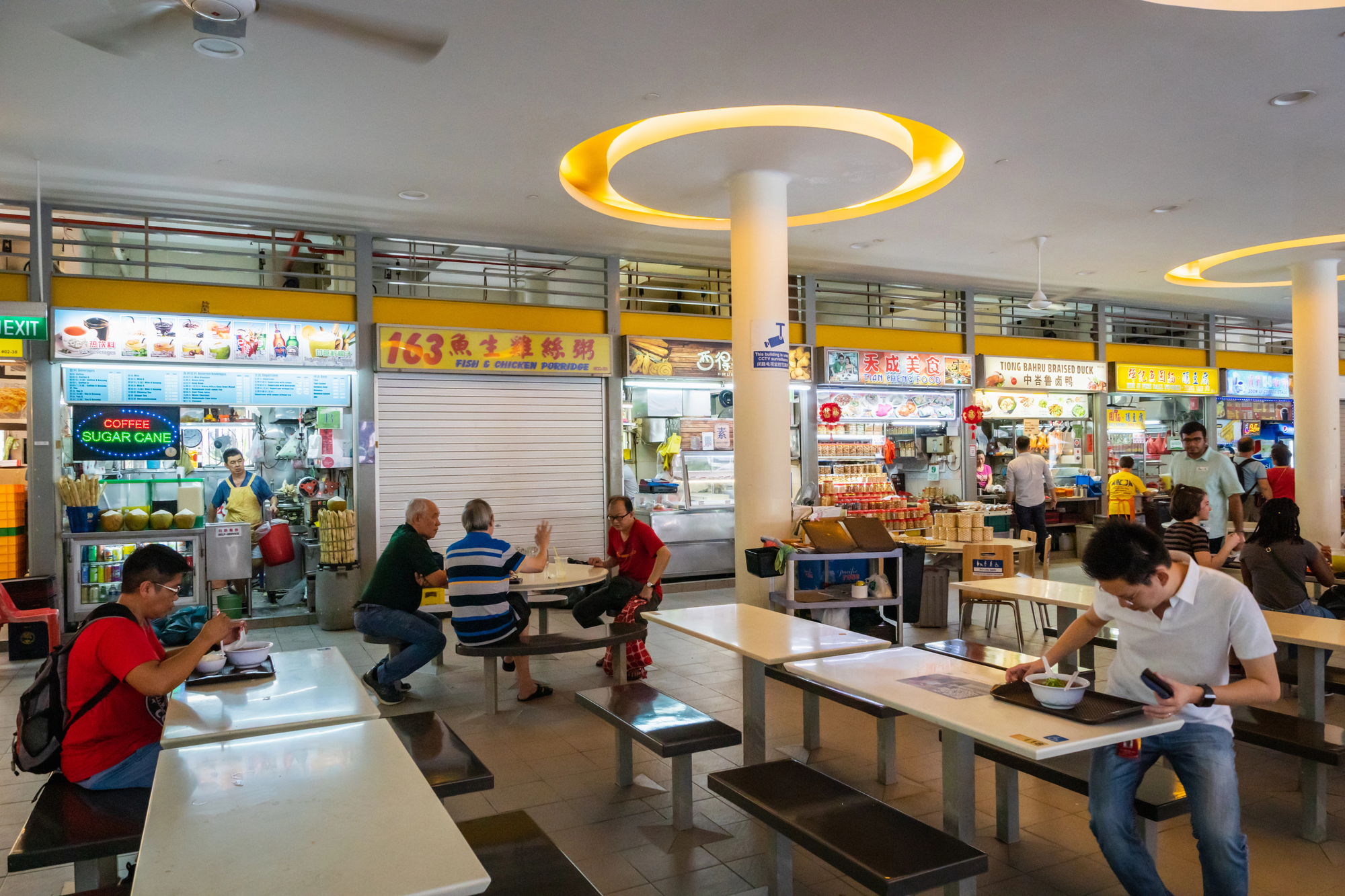
Photo: Depositphotos/uskarp (for illustration purposes only)
SINGAPORE: On Jan 1, 2024, Singapore’s GST rate increased to 9%, and ingredient costs also surged, impacting the city-state's vibrant hawker culture.
Many hawkers faced a tough choice: raise prices or reduce portions to manage rising expenses. This dilemma, often met with mixed customer reactions, highlights Singaporean hawkers' lesser-known challenges.
Mr KF Seetoh, well-respected in the food industry through his work, Makansutra, recently penned an insightful article titled "The Problem with Hawkers."
Transitioning from a long career in F&B to food journalism, Mr Seetoh's observations struck a chord with many.
Here are eight significant challenges highlighted by Mr Seetoh that some hawkers in Singapore's Social Enterprise Hawker Centres (SEHCs) face, as reported by Yahoo Life:
- Unsubsidised stalls: Contrary to popular belief, hawkers do not secure stalls at subsidised rates but instead bid for them, often at substantial costs. Bids at places like Golden Mile Food Centre have soared, with some reaching almost S$6,000, marking a departure from earlier practices.
- Monthly rentals: SEHCs impose an average monthly rental fee of S$2,000 (inclusive of GST), influencing the types of cuisines economically viable for hawkers.
- Cleaning and utensil costs: In addition to rent, hawkers must cover costs like monthly dishwashing fees (approximately S$650) and pay a surcharge per rack of crockery used, which can reach about S$800 per month, impacting their bottom line significantly.
- Compulsory budget meals: SEHCs require hawkers to offer S$3 budget meals and donate 30 monthly meals, intended to support affordability but posing challenges to profitability.
- Restrictions on crockery: Some SEHCs prohibit hawkers from using their own crockery, mandating the purchase of approved supplies bearing the centre's logo, adding to operational expenses.
- Gas supply restrictions: Despite attempts to explore cost-effective options, SEHCs enforce using specified gas suppliers, limiting hawkers' ability to reduce utility costs.
- Leave policies: Hawkers face fines for taking unplanned leaves without prior approval, a policy criticized for its rigidity and impact on hawkers' well-being. A S$100 fine is imposed for each unapproved leave.
- Profit percentages and additional charges: SEHCs may impose fees based on gross turnover (GTO) and charge for space used by suppliers, further squeezing hawkers' already narrow profit margins. GTO fees can be up to 15%.
Singaporeans online reactions reflect sympathy and concern, with many expressing surprise at the stringent leave policies and additional charges imposed on hawkers.
Although one commenter noted that “hawkers are entrepreneurs. It's just like every other industry, there are always challenges to work through,” others pointed out, “these concerns need more attention if we don’t want our hawkers to go extinct.”
Surprised about the leave policies, one noted, "I didn't know about the S$100 fine for taking unplanned leave. The whole point of hawker is being your own boss," he added.
The issue of unsubsidised stalls and high cleaning costs also drew comments.
"I thought paying for unsubsidised stalls and high cleaning costs was bad enough but apparently it can go higher even if you're just dishing out popiah on a paper plate," another user mentioned,
Newsletter
Get updates straight to your inbox
The compulsory budget meals and charity meals requirement also sparked debate.
"Rather than pushing hawkers to offer S$3 meals and 30 free meals, it should be an opt-in government program to supply 30-40 meals," one user suggested. "It's like asking the business to donate S$100-200 per month for free."
Others highlighted the “vicious” cyclical nature of these challenges.
"Hawkers feel the pressure of rising costs and burdened 'forced costs'," one commenter stated. "In turn, they have to raise food prices, and then consumers complain about higher prices."
One, whose parents were once hawkers, said he had never heard of such “crazy regulations.”
Another pointed out, "And then they wonder why the next generation is not picking up the hawking mantle." /TISG
Read also: Is Cai Png Still Economical?
Featured image by Depositphotos