
Ex-PAP MP: Minority politicians can face a particular bind. Their race or religion can be used to cast suspicion on them.
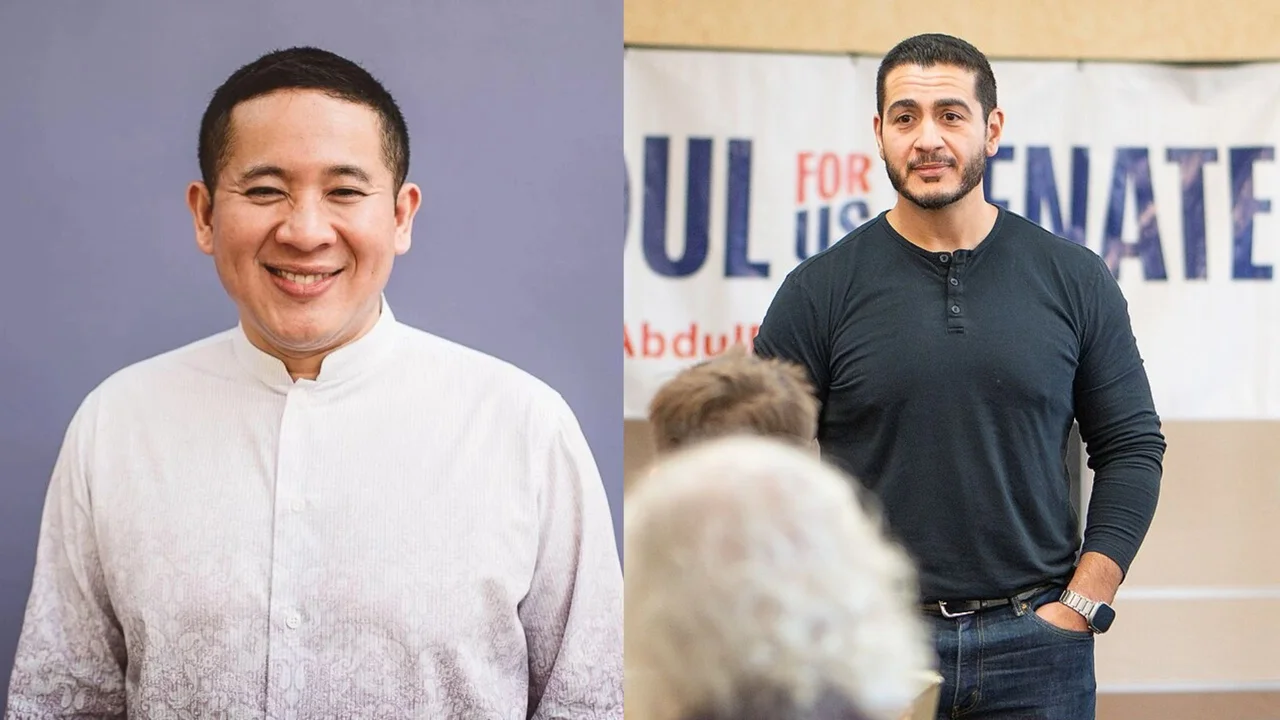
SINGAPORE: After the results of the midterm elections in the United States were announced, Amrin Amin, a former Member of Parliament under the People’s Action Party, congratulated Abdul El-Sayed, the candidate from the Democratic Party who won the senatorial race in Michigan.
As Mr Amrin pointed out, Dr El-Sayed is the first Muslim elected to the US Senate, which is no small deal. He also noted that the campaign had been particularly difficult and that millions of dollars had been spent in the attempt to oppose his bid, and that his identity and loyalties had been openly questioned and even attacked.
Even the US President Donald Trump recently launched a racist diatribe against Dr El-Sayed, a physician with many years of experience as a public health director. Vice President JD Vance, meanwhile, linked him to the demonstrations in Paris that turned violent and resulted in hundreds of arrests.
Mr Amrin, who had served as Senior Parliamentary Secretary for Home Affairs and Health during his tenure as MP, pointed out the disadvantages that candidates such as Dr El-Sayed sometimes have.
“Minority politicians can face a particular bind. Their race or religion can be used to cast suspicion on them. Yet when they speak up about prejudice or issues that matter deeply to their communities, they risk being accused of playing the race or religion card,” he noted.
He acknowledged, however, that as part of democracy, their policies, judgement, and record should be challenged, and added that there are candidates who “exploit race or religion to win support, deflect criticism or divide people,” which should also be called out.
Newsletter
Get updates straight to your inbox
Mr Amrin reiterated that these tactics should not be confused with legitimate concerns, and a person’s faith should not “become a reason to question their loyalty.”
“We should be able to disagree strongly about politics without making people feel they have to keep proving that they belong,” he added. /TISG
Read also: Ex-PAP MP: Underlying racial issues are real; damage doesn’t disappear when posts are taken down