
What is the impact of deinfluencing on brands?

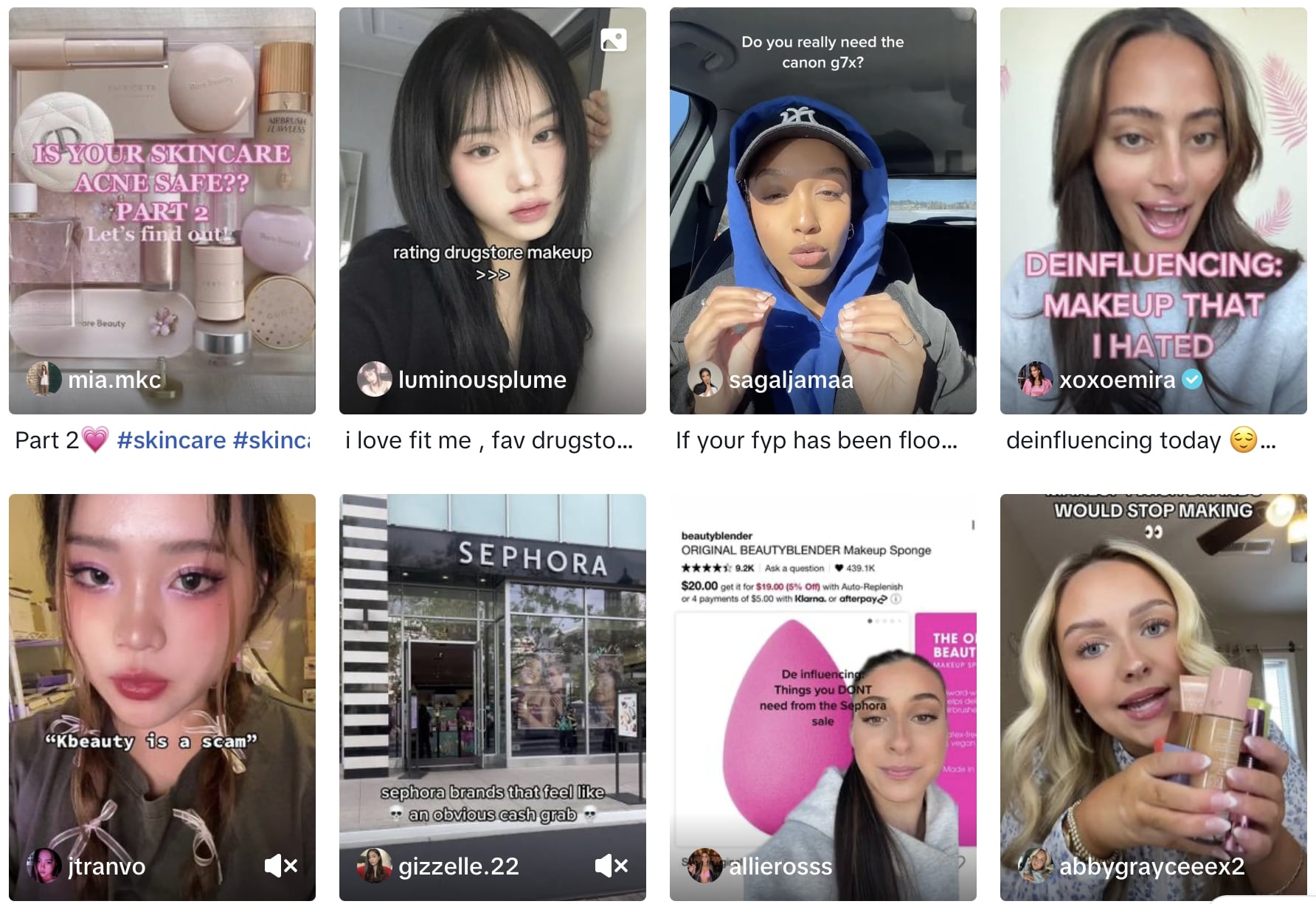
Photo: Screengrab from TikTok
In today's world of social media influence, a trend called "deinfluencing" is challenging the status quo and causing ripples in the marketing landscape. But what exactly is deinfluencing and what is the impact of this trend on brands?
In simple terms, deinfluencing is the opposite of traditional influencer marketing. Instead of promoting products, deinfluencers discourage unnecessary purchases by pointing out flaws or reasons to avoid certain products.
This trend has been on the rise, according to increasing online discussions tracked by Brandwatch Consumer Research.
The peak of deinfluencing occurred in early 2023, sparked by viral TikTok videos and coverage in renowned publications like TIME and The Guardian. These videos called out products that failed to meet expectations, resonating with audiences and sparking a shift in consumer behavior.
[caption id="attachment_592292" align="alignnone" width="640"]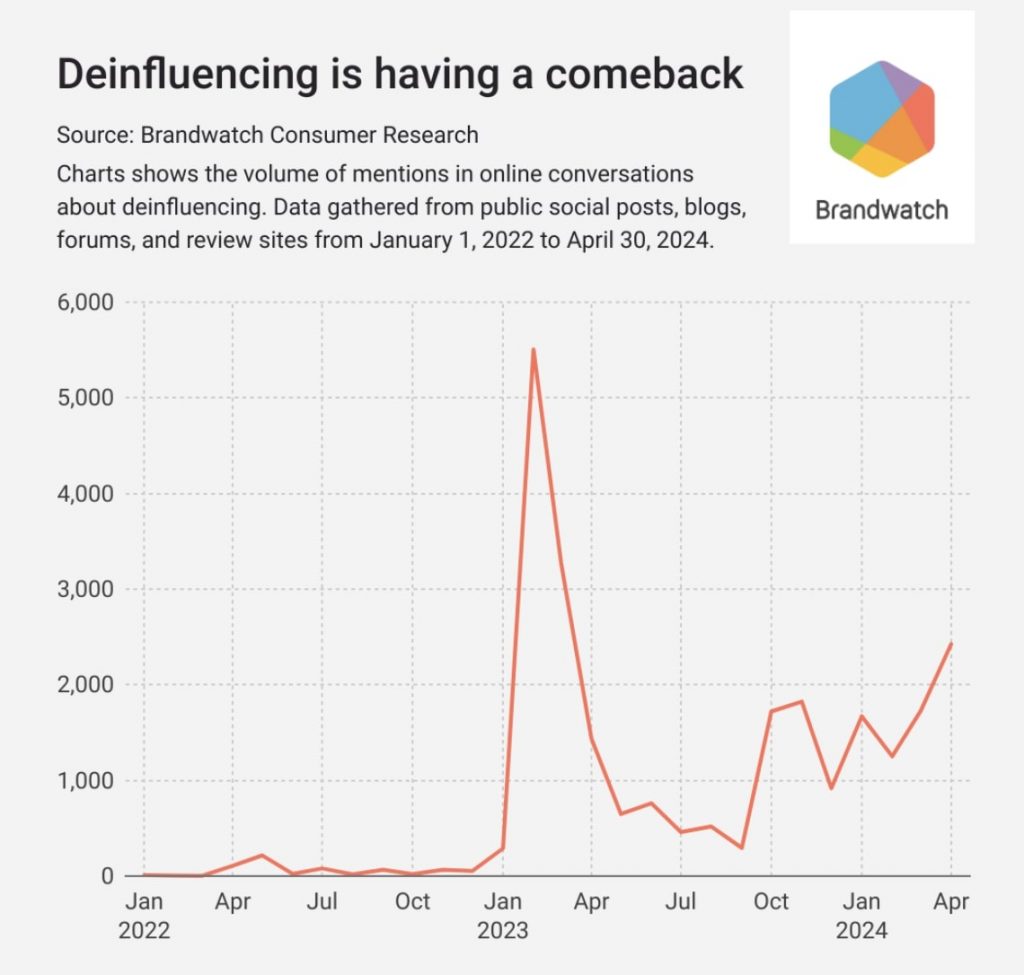 Photo: Screengrab from Brandwatch[/caption]
But what is driving the rise of deinfluencing? One factor could be the surge in popularity of TikTok Shop, which launched just before a notable increase in deinfluencing mentions last October.
While TikTok Shop offers accessibility for brand-to-consumer purchases, it also contributes to marketing fatigue among consumers, paving the way for deinfluencing.
Some speculate that deinfluencing may be a counter trend to the #TikTokMadeMeBuyIt hashtag, which fuels impulse buying on TikTok.
Deinfluencing's impact to brands
But is deinfluencing a threat to brands? TikTok reports that 28% of users admit to making impulse purchases on the app. However, deinfluencing challenges this trend by promoting slower, more considered purchases, putting value on quality.
Brandwatch cited popular YouTuber Marques Brownlee's YouTube video titled "This is the Worst Car I've Ever Reviewed." His review of the Fisker Ocean, which has 5.5 million views, led to a significant downturn in the brand's image. It’s worth noting that after his video was posted, Fisker’s stocks went downhill.
What brands can do
So, how can brands navigate the “second'' rise of deinfluencing and protect their reputation?
According to Brandwatch, brands should:
- “Treat the situation with sensitivity” as they affect how people see your brand.
- Learn from criticism and accept that reviews can and do happen.
- Choose influencers who truly match the brand’s values and voice.
Campaign reported in 2023 that according to Shir Lee Akazawa, social media manager at Virtue APAC, brands as well as marketers should recognise that the motivation of deinfluencing is the desire for “raw and real information from credible sources.”
Newsletter
Get updates straight to your inbox
According to Ms Akazawa, “Rather than worrying about ‘de-influencing’, we should perhaps look at it like ‘re-influencing.” She also noted that this opens conversations and different perspectives.
Elli Hooper, account director at leading influencer marketing agency Goat, added that this should not scare brands, instead they “should take it as a clear cultural warning sign that should be considered and responded to.”
So, should brands be scared of deinfluencing? Ms Akazawa thinks otherwise, as she said, “Deinfluencing’ will compel influencer marketing to evolve.” /TISG