
The top lifestyle changes and challenges we faced in 2020

Photo for illustrative purposes only. Image credits: Facebook
What are some of the biggest lifestyle changes you personally had to adapt to during the pandemic?
And could you name the top life challenges you struggled with or are continuing to struggle with because of COVID-19?
Adopting the "pandemic mindset"
[caption id="attachment_253669" align="aligncenter" width="828"]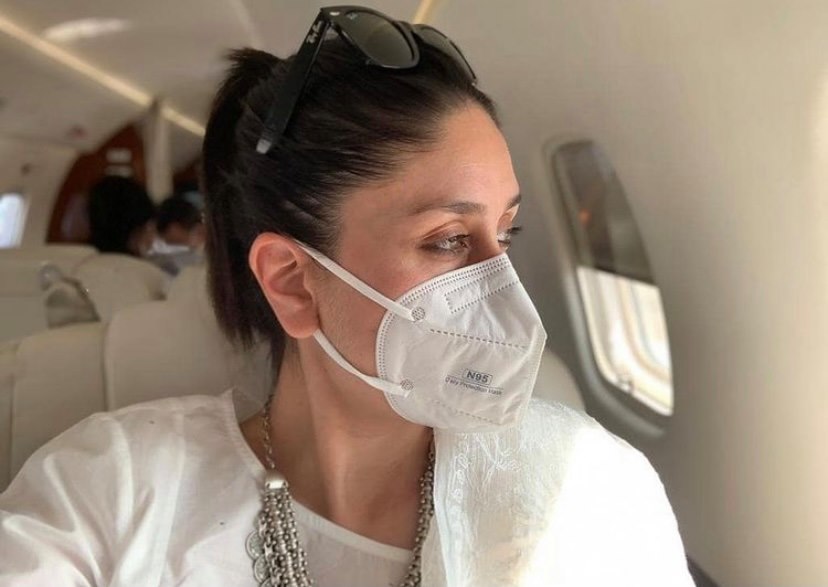 Photo for illustrative purposes only. Image credits: Facebook[/caption]
I think we can all agree that the most crucial lifestyle change that we all had to quickly come to terms with was adopting the right mindset regarding the pandemic and adhering to strict rules of hygiene, to help stop the spread of COVID-19.
While hand-washing has been around for centuries and we have never denied its effectivity, it was never second nature as much as it is now. And while we never thought much about social distancing, it's officially the new norm.
To cope with the pandemic, our habits and movements had to change drastically.
Photo for illustrative purposes only. Image credits: Facebook[/caption]
I think we can all agree that the most crucial lifestyle change that we all had to quickly come to terms with was adopting the right mindset regarding the pandemic and adhering to strict rules of hygiene, to help stop the spread of COVID-19.
While hand-washing has been around for centuries and we have never denied its effectivity, it was never second nature as much as it is now. And while we never thought much about social distancing, it's officially the new norm.
To cope with the pandemic, our habits and movements had to change drastically.
Rosanna, a 35-year-old living in Spain, noted that simply "remembering to leave home with your mask" was already a big lifestyle change, while 40-year-old Amanda from the Philippines said that she had to get used to "more cleaning and disinfecting" as a daily habit.
Adjusting to "home" life
[caption id="attachment_253670" align="aligncenter" width="1500"] Photo for illustrative purposes only. Image credits: Facebook[/caption]
If you love your home, you're one of the lucky ones. In 2020, home suddenly became the epicentre of our lives, if it had not already been.
Photo for illustrative purposes only. Image credits: Facebook[/caption]
If you love your home, you're one of the lucky ones. In 2020, home suddenly became the epicentre of our lives, if it had not already been.
"During the beginning of the pandemic, the first major change was having to stay home all the time. Manila was incredibly strict about the lockdowns, so we had no choice but to stay home for days except for when I had to go to the grocery for supplies," shared Nicole, a 44-year-old from the Philippines.
For Gloria, 68, and Joey, 69, both from the United States, being confined to their home hasn't been so bad. "We are retired so we do not mind staying home. We are helping home schooling grandkids while their parents—both first responders—are at work," said Gloria, who also added that she and Joey get to "spend more time together" and with the grandkids as well.
In fact, "staying home brought out the best in each one of us and I do not mind it at all," Gloria said.
Fifty-four-year-old Tisha from the Philippines tells of her experience of adapting to home life amidst the pandemic—"Having my college daughter home from university where she was based for a year and a half is also something I had to adjust to, especially in accommodating her back in her own room (which was converted into a storage area when she moved out)." The shift to a work-from-home arrangement was a huge change for many. Anonymous noted that "temporarily working from home and teaching online was hard" to deal with, and Nicole tackled homeschooling, which was "quite an adjustment for everybody, especially my kids". Fifty-one-year-old Melissa from the Philippines admitted that she doesn't like working from home. "I struggle to make the delineation between rest and work time at home," she confided. Achieving work-life balance when your whole life—work and play—is all at home is truly challenging. For 37-year-old Pedro, living through lockdown in New Zealand had it perks—"it meant five weeks at home from work on full pay, thanks to a government wage subsidy". Suddenly finding himself with a lot of free time, Pedro busied himself with some DIY and important daily tasks for the family, becoming "the sole shopper for the household" and taking over a lot of domestic duties at home.Whether we enjoyed it or not (and there were certainly aspects that were enjoyable), adjusting to living almost all of our lives in the confines of our homes was by far the biggest challenge of the year."On the whole I quite enjoyed the lockdown. I got paid to stay home with my family during the last weeks of summer weather. I learned to cook a lot of new things and it made us shop for groceries in a far more disciplined manner," Pedro shared.
Switching everything to "online" mode
[caption id="attachment_253671" align="aligncenter" width="599"]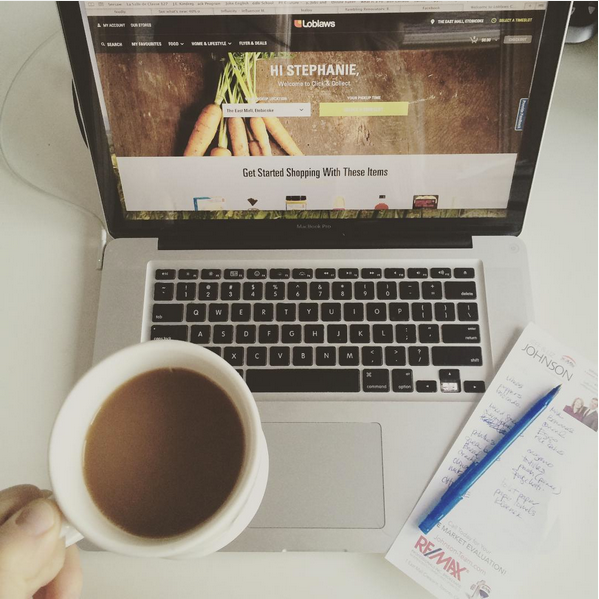 Photo for illustrative purposes only. Image credits: Facebook[/caption]
In the pursuit of staying at home, most of us became very friendly with online shopping. Many concur that switching their grocery-buying to a purely online platform was tough to manage, especially in the early days of the pandemic, when supplies were running low.
Photo for illustrative purposes only. Image credits: Facebook[/caption]
In the pursuit of staying at home, most of us became very friendly with online shopping. Many concur that switching their grocery-buying to a purely online platform was tough to manage, especially in the early days of the pandemic, when supplies were running low.
Anonymous also remarked that "switching to having groceries delivered and trying to shop at stores less if we can help it" took some getting used to. For Dickie, a 78-year-old from the Philippines, attending virtual work meetings instead of in-person sessions was a major change he had to contend with, and he quickly had to get comfortable with the shift. Nicole added that "the way we had to interact with others" also changed. "We were so used to seeing people all the time, so having to interact with people only via Zoom or other online sites was difficult, too," she said."[It was a big lifestyle change to] shift to online food and grocery suppliers, especially during the first couple of months of lockdown," noted Veronica, adding that the challenge was compounded by online supply being "limited", and that she had to "search far and wide for fresh food suppliers" in the Philippines.
Reduced social contact
[caption id="attachment_253672" align="aligncenter" width="400"] Photo for illustrative purposes only. Image credits: Facebook[/caption]
This is one of the big ones—the struggle with the social isolation that COVID-19 has brought upon us. It's been hard on even the most hardened introverts; we are social creatures, and we need that personal connection with other people. And while we have a plethora of apps that allow us to see, hear and communicate with each other, it will never serve as a satisfying replacement for physically being in the same room.
Photo for illustrative purposes only. Image credits: Facebook[/caption]
This is one of the big ones—the struggle with the social isolation that COVID-19 has brought upon us. It's been hard on even the most hardened introverts; we are social creatures, and we need that personal connection with other people. And while we have a plethora of apps that allow us to see, hear and communicate with each other, it will never serve as a satisfying replacement for physically being in the same room.
Rosanna admitted that it was hard to "have your friendship circle get smaller", thanks to the pandemic, and Andrew, a 26-year-old from England, has grappled with "not having a social outlet in life anymore".
For Nicole, "not being able to see family, aside from my own", was difficult, as was "not being able to hug my closest friends". "We're incredibly close, so it was hard not to see my mom and sister," she said.
The toll on mental health
[caption id="attachment_253673" align="aligncenter" width="960"]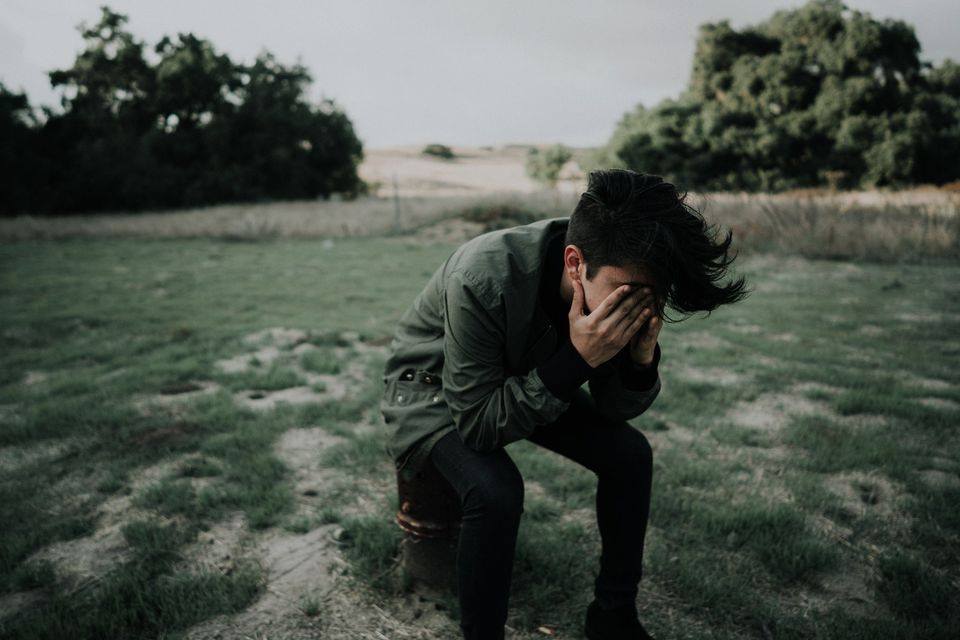 Photo for illustrative purposes only. Image credits: Facebook[/caption]
It's not just an inconvenience or a difficulty that we can't socialise or see each other. For Anonymous, "not seeing friends and family regularly" has taken a toll on their mental health, and they are not alone.
Photo for illustrative purposes only. Image credits: Facebook[/caption]
It's not just an inconvenience or a difficulty that we can't socialise or see each other. For Anonymous, "not seeing friends and family regularly" has taken a toll on their mental health, and they are not alone.
Psychologists have acknowledged the emergence of "COVID-19 anxiety", or mental health difficulties stemming from different aspects of the pandemic—loneliness from not being able to see friends and family, anxiety over losing income, and living in fear of catching the virus are but a few examples of what people are dealing with, emotionally, on a daily basis. The pandemic has had a profound effect on the world's mental health. Anonymous shared a particularly painful experience 2020 brought—"Being unable to travel and therefore not being able to say goodbye to my aunt before she died was a big one, and still causes me pain when I think about it." "The sickening rise of fake news and Covid conspiracy theories" is something that worries Veronica, who also noted that there have been "wide differences [and] disagreements in people's opinion on the severity of the disease and its spread"."Mental and emotional stability has been a constant trial," acknowledged Amanda, echoing feelings that many of us can relate with.
Ella, 44 and from the Philippines, said that she was starting to have anxiety attacks, so she "had to turn to exercise to exhaust myself to sleep".Many shared that they have felt fear that they or people they love would catch COVID-19. "Being exposed to someone who tested positive for COVID at work and the stress that came with waiting for my test results while quarantining" was anxiety-inducing for Anonymous, whose test scores luckily came back negative.
Rosanna spoke of having an "underlying fear that I'll get the virus every time I go out, which makes me not even want to go out at times", and Nicole confessed to being "so tired of the whole COVID issue, of seeing the way it's negatively affecting the world and causing suffering, pain, separation, loneliness, anxiety, fear, and just basic sadness".
Financial worries
[caption id="attachment_253675" align="aligncenter" width="1800"] Photo for illustrative purposes only. Image credits: Facebook[/caption]
Anxiety over loss of earnings and financial instability is another major cause for worry for many of us, as the pandemic has upended our lives, and in some cases, our income streams.
"Our biggest lifestyle change is not having international students living with us. Less income," admitted Gloria, who normally rents out spare rooms in their home to students coming from abroad.
Dickie, too, noted the challenges relating to income loss this 2020—he has lost out on advisory income as he cannot see clients due to flight restrictions, and it has been difficult to find interested parties to rent the apartments he owns.
Photo for illustrative purposes only. Image credits: Facebook[/caption]
Anxiety over loss of earnings and financial instability is another major cause for worry for many of us, as the pandemic has upended our lives, and in some cases, our income streams.
"Our biggest lifestyle change is not having international students living with us. Less income," admitted Gloria, who normally rents out spare rooms in their home to students coming from abroad.
Dickie, too, noted the challenges relating to income loss this 2020—he has lost out on advisory income as he cannot see clients due to flight restrictions, and it has been difficult to find interested parties to rent the apartments he owns.
Though 2020 has brought forth pain, stress and loneliness, it has also turned us into fighters, hardy and resilient. As we face the dawn of the New Year, we must remember that this, too, shall pass. /TISGFor Tisha, the pandemic has been hard on finances. While her job pays more than enough normally, work operations have been put on hold.
"All my savings were what kept us afloat...and now that it is almost depleted, I worry about not being able to meet my financial obligations (something I have always managed to do all my working life) come January," she finished.
Newsletter
Get updates straight to your inbox