
Still starting emails with 'Hope you’re well'? Time for an upgrade! Say this if you want a reply

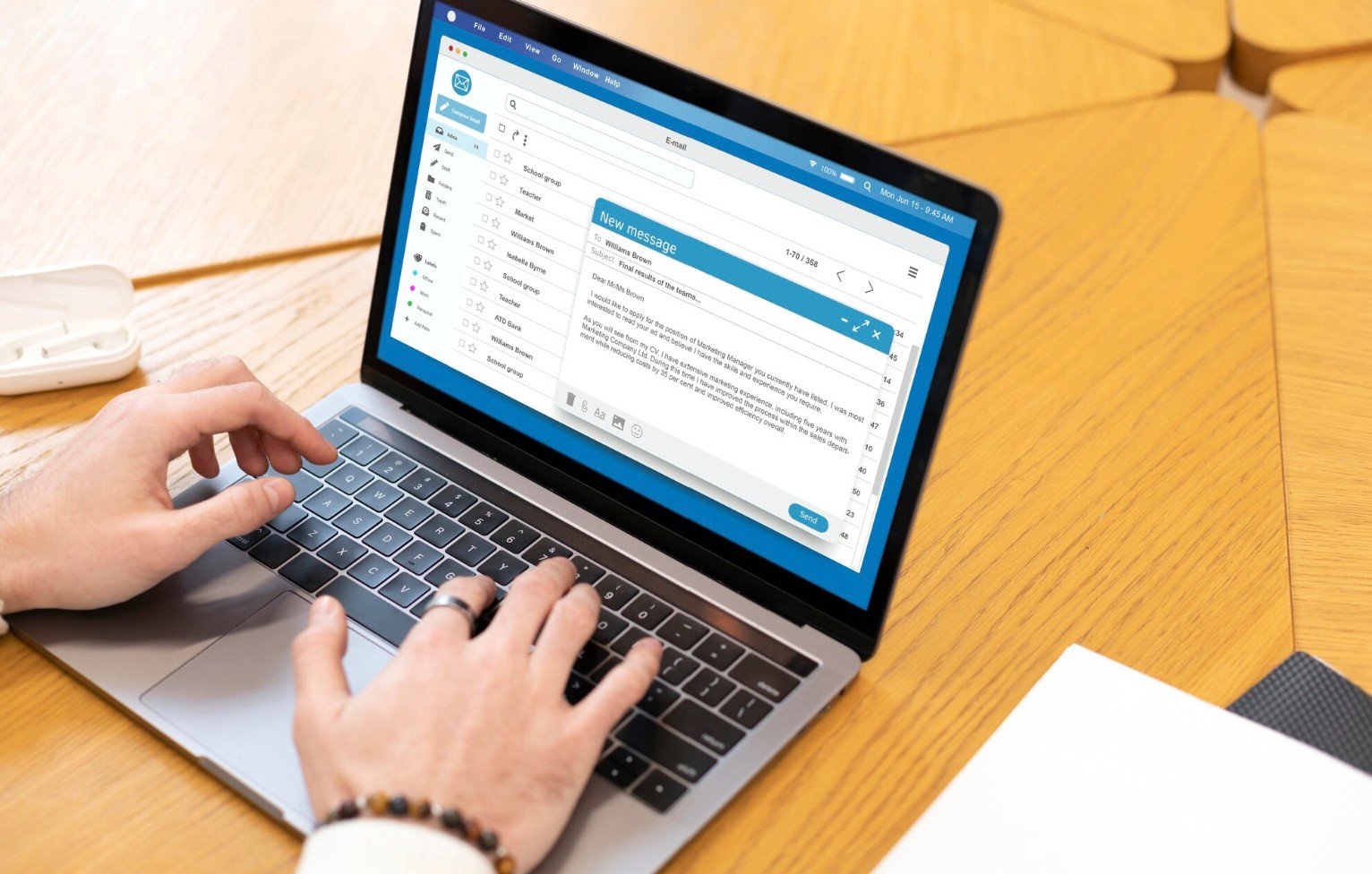
Photo: Freepik (for illustration purpose only)
“Hope you’re well." Inboxes everywhere are flooded with it. The email counterpart of "small talk". But while the expression might sound well-mannered, it’s become the "white noise" of professional communiqué, and people are beginning to become desensitised to it.
Whether you're getting in touch with an old friend, making an inquiry with a colleague, pitching to a client, or making a follow-up after a networking event, the introductory words of your email matter.
With today’s shrinking attention spans and jam-packed inboxes, the first few words of an email can mean the difference between being disregarded and obtaining a response.
So, how do you triumph over an ocean of well-wishers? Here's why it’s time to dump the preset salutation, and what to write in its place.
Why “hope you’re well” falls flat
Truthfully, there’s nothing wrong with “Hope you’re well.” It’s harmless. It’s gracious. But that’s also where the problem lies.
When the reader sees the same thing many times over, it is viewed as pretentious, fake, or forced, most especially if it’s immediately followed by a request or pitch. It’s like asking how someone is, then immediately walking away before they can find an answer.
If you aim to build lasting relationships, encourage action, or if you simply want to get a reply, you need an opening line that expresses intent, character, and mindfulness.
The psychology of a great opening
Email openers work best when they do one (or more) of the following:
- Demonstrate sincere interest
- Refer to something precise
- Offer value early on
- Trigger curiosity
- It should feel like a real human wrote them
Your receiver should feel that you’re writing to them, not sending out another cliché from a template.
What to say instead — 8 better email openers
Here are other possibilities that can make your email stick out in a swarming inbox:
Refer to a fresh event or shared experience
Example: “It was good to see you on the AI ethics panel last week — still thinking about your opinion on data transparency.”
This indicates attention and importance, particularly in networking or follow-up communication.
Mention their work
Example: “I recently read your blog post on hybrid work models — loved your perspective on productivity metrics.”
Flattery can work, especially when it’s detailed. Everyone loves to feel “seen” and “heard.”
Connect with what’s happening in their world
Example: “I just learned that your company announced a great product unveiling — congratulations!”
Appropriate and timely, tailored notes can build bonds fast.
Jump right into value
Example: “I have an idea that could cut the time of your employee integration process in half — wanted to get your thoughts on it.”
When you start with value, you instantly get attention.
Ask an intriguing question
Example: “Quick question: How are you dealing with client response circles now that your team is on a WFH basis?”
It generates a natural discussion starter.
Newsletter
Get updates straight to your inbox
Begin with a daring perception
Example: “Most businesses drop 20% of new hires in the initial 45 days — here’s a way to alter that.”
This is valuable for sales or consulting efforts where positioning yourself as a strategic thinker or trusted advisor matters a lot.
Use refined humour
Example: “I promise you this email isn’t another GDPR update.”
Humour defuses, specifically in business settings where everything appears excessively formal.
Go straight to the point
Example: “Reaching out to confer a possible partnership on your summer marketing drive.”
Occasionally, simplicity and precision beat ingenuity.
The bottom line
You don’t need to be an exceptional writer to make effective emails; just be more intentional. The next time you're drawn to write “Hope you’re well,” pause for a while. Reflect on your association with the receiver. What matters to them? What’s the latest in their world?
Then proceed with the email, the kind that you would like to receive and read.