
Sinkhole risks in Malaysia: 24 cases in five years, Perak the worst hit

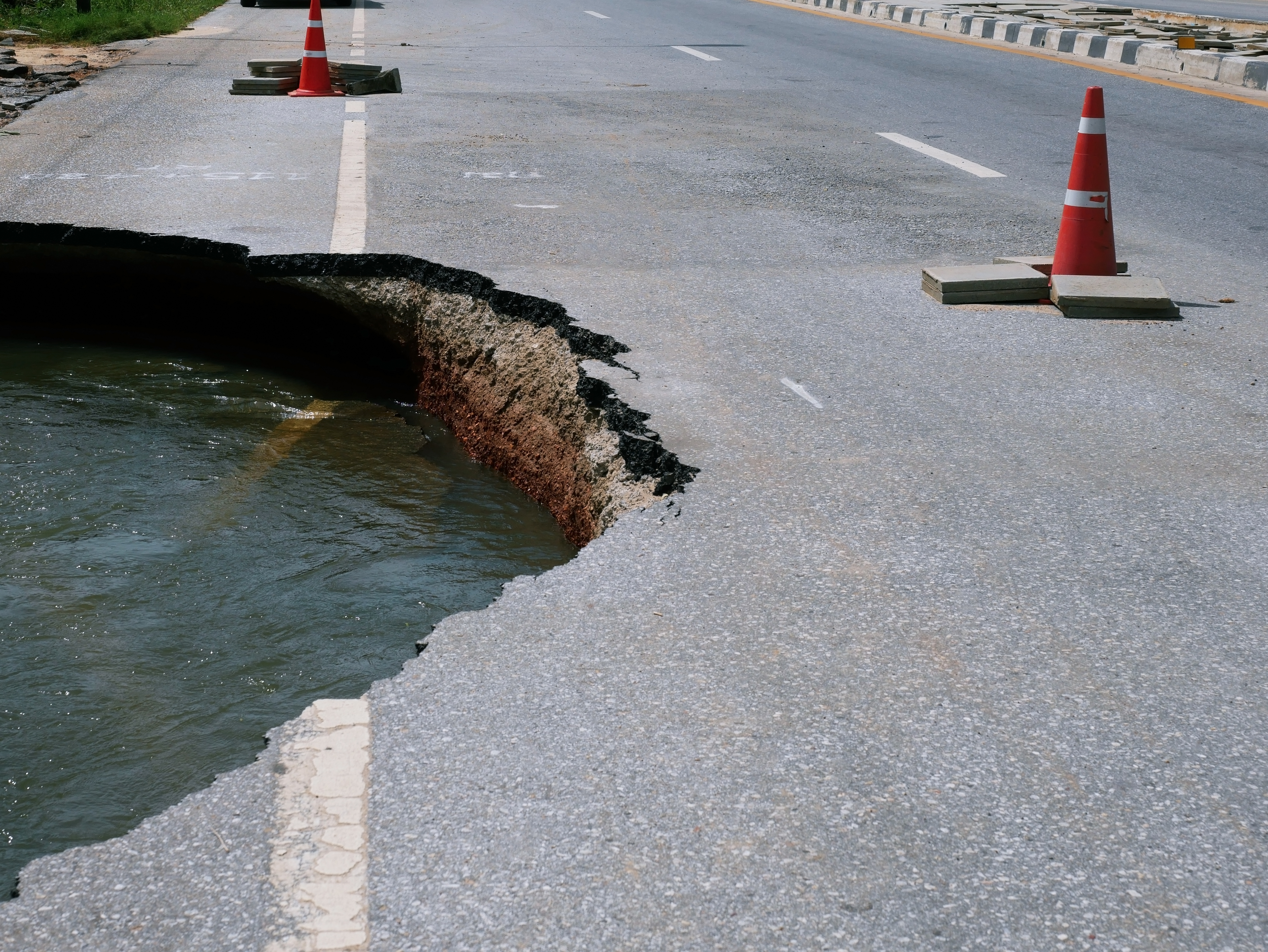
Photo: Vecteezy/sainan2522 (for illustration purposes only)
MALAYSIA: Malaysia has recorded 24 sinkhole incidents over the past five years, with Perak emerging as the worst-affected state with 11 cases, as reported by Bernama. This was revealed by the Department of Mineral and Geoscience (JMG) in response to a parliamentary inquiry, highlighting growing concerns over geological hazards in the country.
Understanding the causes of sinkhole formation
Sinkholes are typically caused by the dissolution of soluble rock, such as limestone, beneath the surface, leading to sudden ground collapses. In Malaysia, the problem is exacerbated by rapid urban development, excessive groundwater extraction, and ageing underground infrastructure. Perak, the worst-hit state, has extensive karst landscapes, that is, "landscape underlain by limestone which has been eroded by dissolution, producing ridges, towers, fissures, sinkholes and other characteristic landforms", according to the Oxford dictionary. The combination of heavy rainfall, human activities such as mining, and poorly regulated construction in geologically sensitive zones further increases the risk of sinkhole formation.Government mitigation efforts and policies
The Natural Resources and Environmental Sustainability Ministry (NRES) has stated that it is committed to reducing geological disaster risks in development areas, particularly in sinkhole-prone zones. JMG plays a key role in assessing geological hazards and risks, contributing to national development planning by formulating safety standards. One of the primary measures undertaken is the emphasis on geological data in development proposals. By ensuring that geotechnical reports include detailed assessments of subsurface conditions, the government aims to mitigate the risks associated with construction in vulnerable areas.Public frustration over incidents
Many Malaysians have expressed frustration over the recurring sinkhole incidents, with some criticising local authorities for their perceived inaction and lack of infrastructure maintenance. A Facebook user commented, “Both the MB and mayor also don’t care. What do you expect? All they know is increasing taxes, yet nothing is delivered. Just look at the roads around Ipoh; they are in a shameful state. Do they care?”
Are current policies enough to prevent future sinkholes?
Despite these measures, concerns remain about whether existing policies are sufficient to prevent future incidents and ensure public safety. The increasing frequency of sinkholes suggests that further improvements are necessary, particularly in urban planning and infrastructure maintenance. Experts argue that stricter regulations on groundwater extraction, more comprehensive land use planning, and improved monitoring of underground conditions are needed. Additionally, enforcing stricter construction guidelines and ensuring that developers adhere to geological risk assessments could help minimise future sinkhole occurrences. While the government’s commitment to reviewing development standards is a step in the right direction, proactive measures, such as real-time monitoring systems and enhanced public awareness campaigns, are crucial in addressing the root causes of sinkhole formation. Without stronger enforcement and continuous assessment of at-risk areas, Malaysia may continue to see such incidents posing risks to property and human lives. Read also: Malaysia: Jalan Masjid India shopping district revitalised ahead of the festive season after KL sinkhole tragedy Featured image by Vecteezy (for illustration purposes only)Newsletter
Get updates straight to your inbox