
Singapore tightens car loan rules to curb misuse of private-hire vehicle exemption

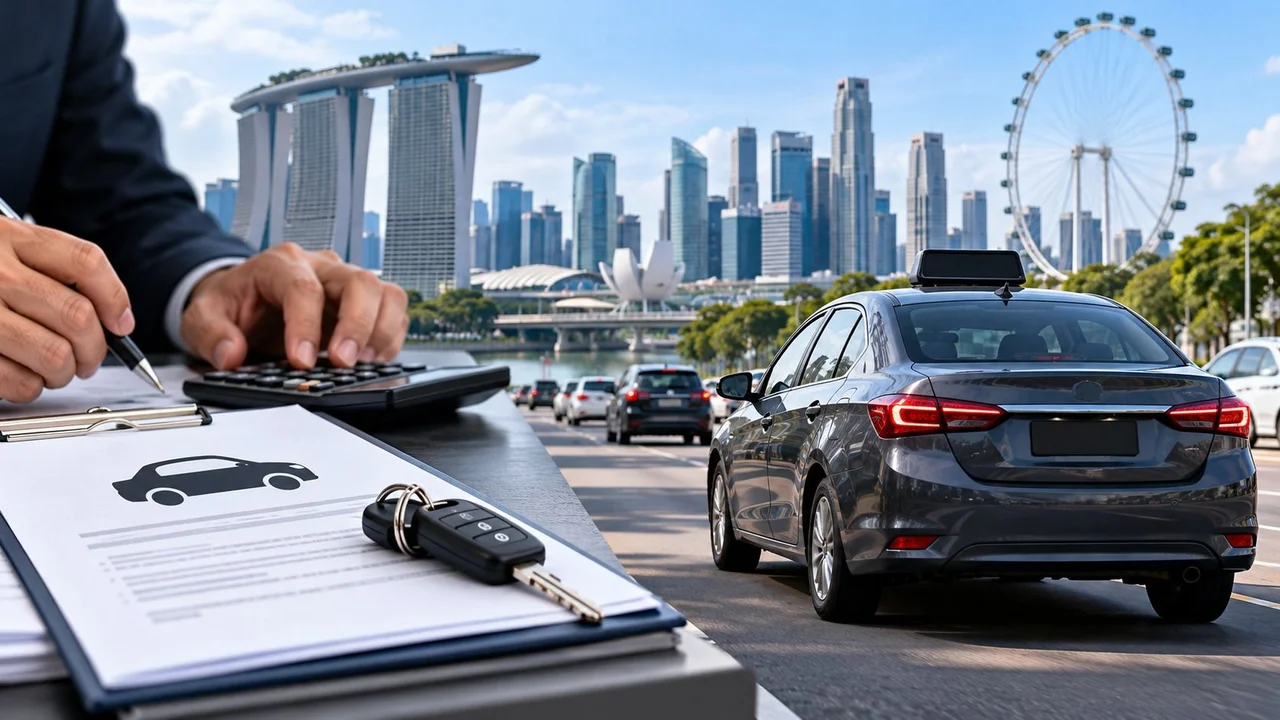
Singapore private-hire vehicles financing
SINGAPORE: Singapore is closing a car financing loophole that allowed some individually owned private-hire vehicles to enjoy more generous loan terms than ordinary private cars.
From Oct 30, individual buyers registering their vehicles as private-hire cars (PHCs) must follow the same borrowing limits as private car buyers. The change follows a rise in registrations, with about 500 individually owned self-drive PHCs registered monthly.
In a report published on Oct 29, Channel NewsAsia (CNA) said authorities suspected some buyers were using the commercial vehicle exemption mainly to obtain more favourable financing, without intending to provide private-hire services.
New borrowing limits apply from Oct 30
Under the revised rules, buyers of PHCs with an open market value (OMV) of S$20,000 or less can borrow up to 70 per cent of the purchase price.
For vehicles with an OMV above S$20,000, the maximum loan is 60 per cent. Both limits include the vehicle's purchase price, relevant taxes and Certificate of Entitlement (COE) cost.
Loan periods will also be capped at seven years.
The restrictions cover individuals, including sole proprietors, borrowing from financial institutions and licensed or exempt moneylenders. Hire-purchase and conditional sale agreements are included.
Existing loans won't be affected. Business-owned PHCs, commercial vehicles and motorcycles will also keep their exemptions.
Private-hire drivers raise concerns over costs
The change has drawn attention from the National Private Hire Vehicles Association (NPHVA).
NTUC Assistant Secretary-General Yeo Wan Ling, who advises the association, said existing borrowers would be unaffected. However, she noted that drivers depend on their vehicles to earn a living.
She said the association would monitor whether the new rules make vehicle ownership harder for genuine drivers, push more towards rental fleets or increase operating costs.
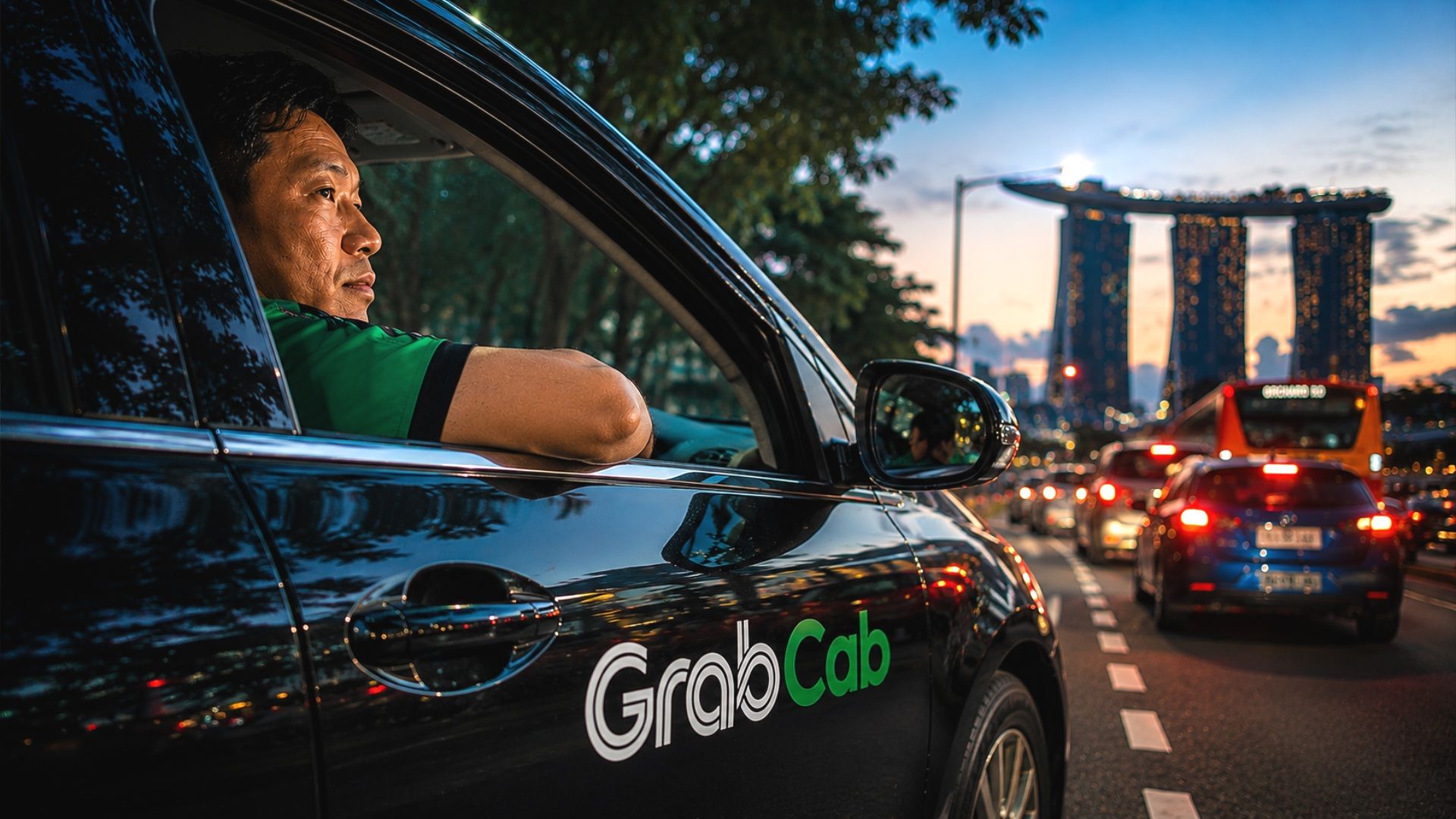
Ride-hailing company Grab supported the restrictions, saying common industry standards could help protect drivers' long-term livelihoods.
Separate COE category could increase fares
Authorities also considered creating a dedicated COE category for private-hire vehicles and car-leasing companies.
However, this could raise rental costs for drivers and passenger fares. The Land Transport Authority (LTA) said a separate quota would also reduce the COEs available to other car buyers.
Newsletter
Get updates straight to your inbox
Setting aside too few certificates could restrict PHC supply, while allocating too many could financially squeeze private buyers.
LTA is instead exploring ways to give individual buyers more control over COE bidding and improve price transparency.
Buyers should understand the full cost
The new rules address an important distinction: a vehicle registered for commercial use should serve a genuine commercial purpose.
At the same time, private-hire drivers need access to affordable ways to own their vehicles and earn a living.
Closing a loophole makes sense, but the rules should also protect people who depend on driving for their income. Buyers should work out their repayments before signing, rather than taking on loans that stretch their finances.