
Should tenants limit time in shared spaces? Online debate sparked by landlord’s complaint

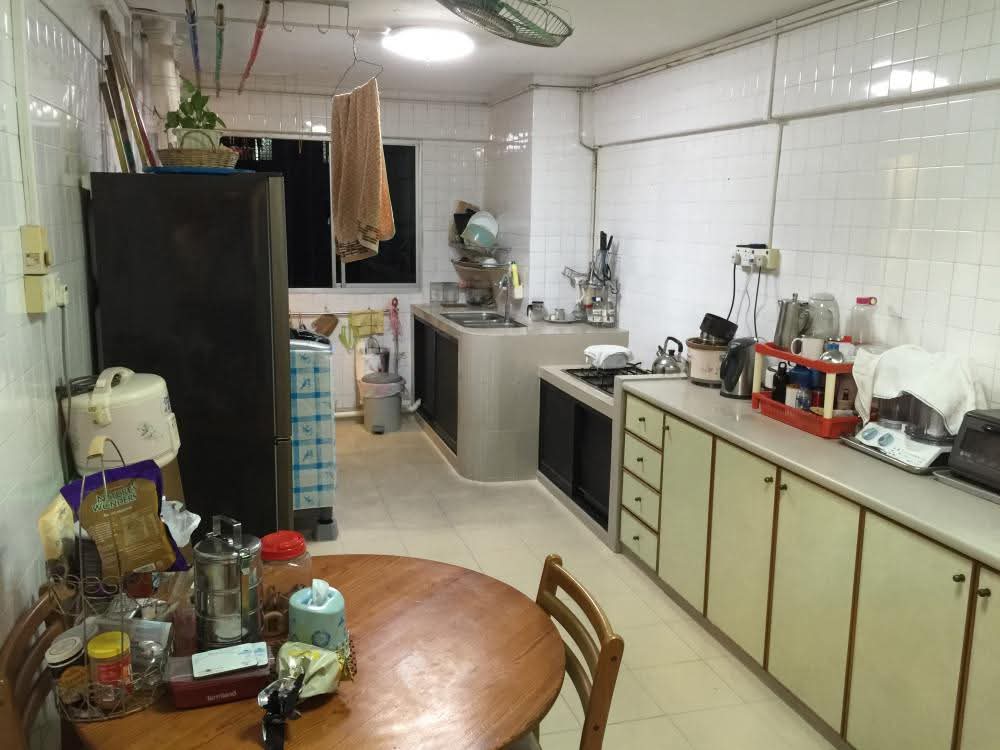
SINGAPORE: A landlord’s complaint about a tenant’s use of shared living space has resurfaced online, sparking renewed debate over boundaries and expectations in rental arrangements.
The post, originally shared on the Complaint Singapore Facebook page in March 2024 by user Jake Tan, has recently been recirculated across social media platforms and messaging groups, drawing a fresh wave of reactions.
In the post, the landlord described his frustration with a tenant who regularly occupies the kitchen and dining area for extended periods each evening. He claimed his tenant spends hours sitting at the dining table, from around 7 p.m. to midnight, using his phone and drinking, rather than staying in his own room.
The landlord said that while he had provided the tenant with a table and chair in his room, the tenant preferred the shared kitchen space.
Sharing this makes him uncomfortable in his own home, Mr Tan wrote, “I don’t mind if it’s for a short while, but it’s really for hours on end each day, and I’m beginning to find this extremely annoying.”
He added that the situation had begun to affect his daily routine, making it awkward for him to enter the kitchen to carry out basic tasks such as getting a drink, boiling water, or doing laundry. He also noted that he was not keen on engaging in small talk after a long day at work.
Mr Tan contrasted this tenant’s behaviour with that of another tenant in the same property, whom he described as “completely the opposite” and someone who stays in his room with the door closed upon returning home.
Seeking advice, he asked whether others had faced similar situations and what they would do. He shared that some friends had suggested he spend more time in the kitchen himself to make the tenant feel uncomfortable enough to leave, but he dismissed this as impractical given his own schedule.
Frustrated, he said he was even considering removing the dining table altogether.
As the post gained traction again, many commenters weighed in with differing views on the issue.
Some took the tenant’s side, arguing that access to common areas is a basic entitlement. One commenter questioned the landlord’s expectations, writing: “Not sure why you rent him the space, yet you don’t wanna see him…he is entitled to the common area. If you just wanna take his rent money and don’t wanna see him, just say so.”
Others emphasised the need for direct communication. A Facebook user suggested setting clearer boundaries, advising the landlord to tell the tenant openly that shared spaces are not meant for prolonged daily use.
A few commenters recommended a more drastic solution. One netizen wrote that it might be better to “find another tenant,” while another user suggested adjusting future rental agreements to explicitly limit use of common areas, possibly in exchange for lower rent.
Newsletter
Get updates straight to your inbox
That commenter added that without such restrictions, the tenant is within his rights to use the space freely, saying, “If you feel uncomfortable, that’s a YOU problem.”
Others struck a more conciliatory tone. Facebook user Pearl said she did not see anything inherently wrong with the tenant’s behaviour, noting that the terms of access to shared spaces should already be outlined in the rental agreement. She encouraged the landlord to have a conversation with the tenant to better understand his habits.
“He might feel staying in his room most of the time will cause depression, so the only space to unwind after a day’s work is the kitchen, where he can drink and relax,” she wrote, adding that mutual understanding is key to maintaining harmony under one roof.