
Parti Liyani: '5 years later… what has changed?' — HOME reminds that 'theft accusations against domestic helpers are still weaponised by employers'


Photo: FB/Parti Liyani @HOME
SINGAPORE: Exactly five years ago, the Singapore High Court overturned a domestic worker’s conviction and reignited a national conversation on justice, privilege, and accountability. The domestic helper's name: Parti Liyani. And her story is one for the ages — not just because it reads like a courtroom drama, but because it happened in our own backyard.
On Sept 4, 2020, Indonesian domestic worker Parti Liyani was acquitted by the High Court of stealing more than 140 items, which were initially valued at over S$50,000, from the family of former Changi Airport Group chairman Liew Mun Leong. Among the items were old, damaged belongings, a DVD player that probably no one seemed to know how to test these days, and — the pièce de résistance — a black spaghetti-strap dress that Karl Liew claimed was his.
As Dr Stephanie Chok, Executive Director of the Humanitarian Organization for Migration Economics (HOME), noted in her recent LinkedIn post: “Karl Liew valued 120 pieces of used clothing at S$150 each; this included a black dress with spaghetti straps (see below) that Karl insisted belonged to him.”
[caption id="attachment_693176" align="alignnone" width="2048"]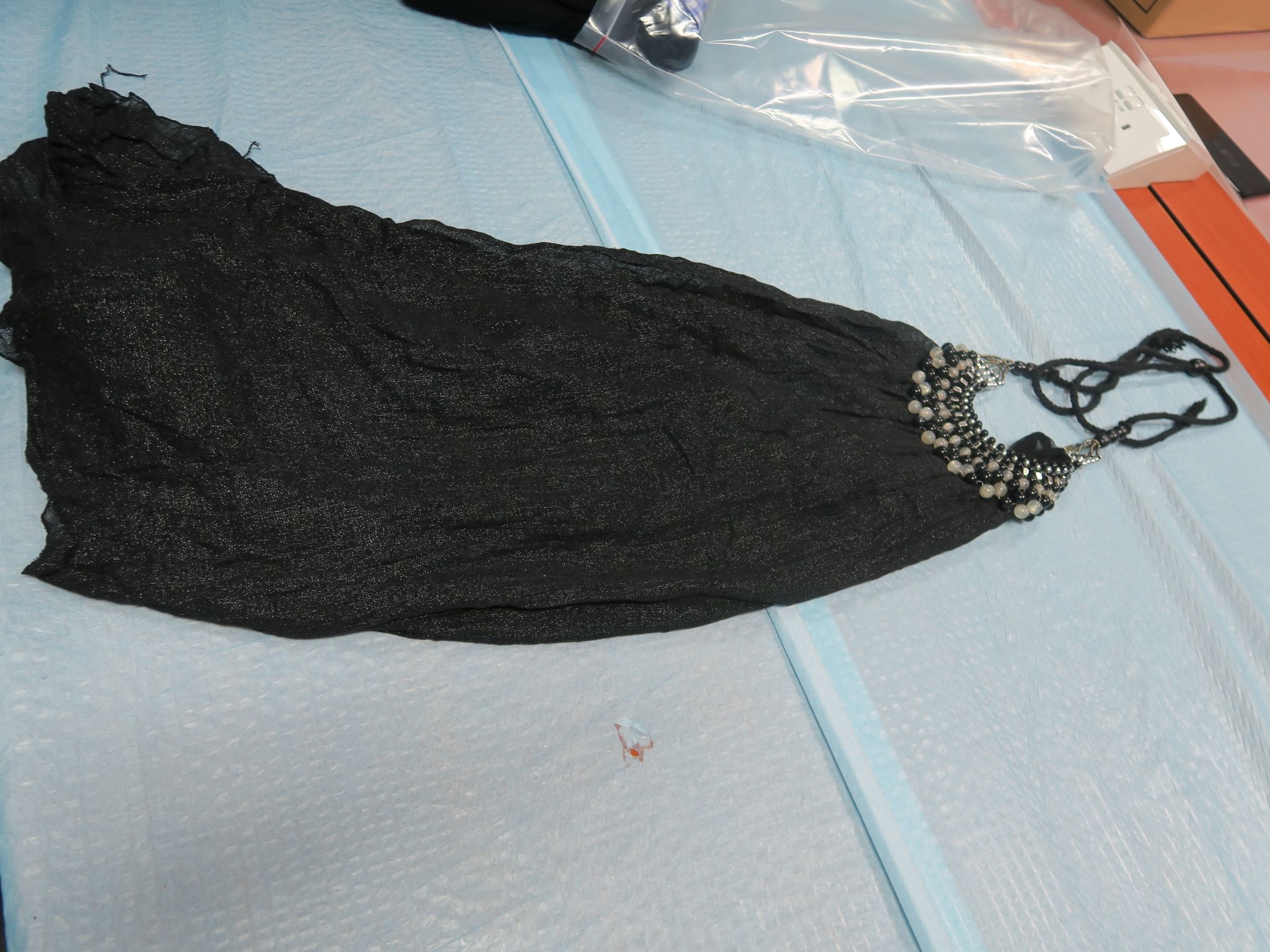 Photo: LinkedIn/stephaniecho: Black dress with spaghetti straps and beads, one of the 120 items of clothing Karl claimed Parti stole from him. This item was subsequently removed from the second charge by District Judge Olivia Low[/caption]
The long road to acquittal...
In 2017, Ms Liyani was charged with theft. At the time, she was staying at HOME’s shelter, where Dr Chok was the Casework Manager. “Parti firmly maintained her innocence,” Chok wrote. “Pro-bono lawyer Anil Balchandani, together with a team of HOME staff and volunteers, went on to fight tirelessly for four years to defend her,” she added.
[caption id="attachment_693244" align="alignnone" width="2048"]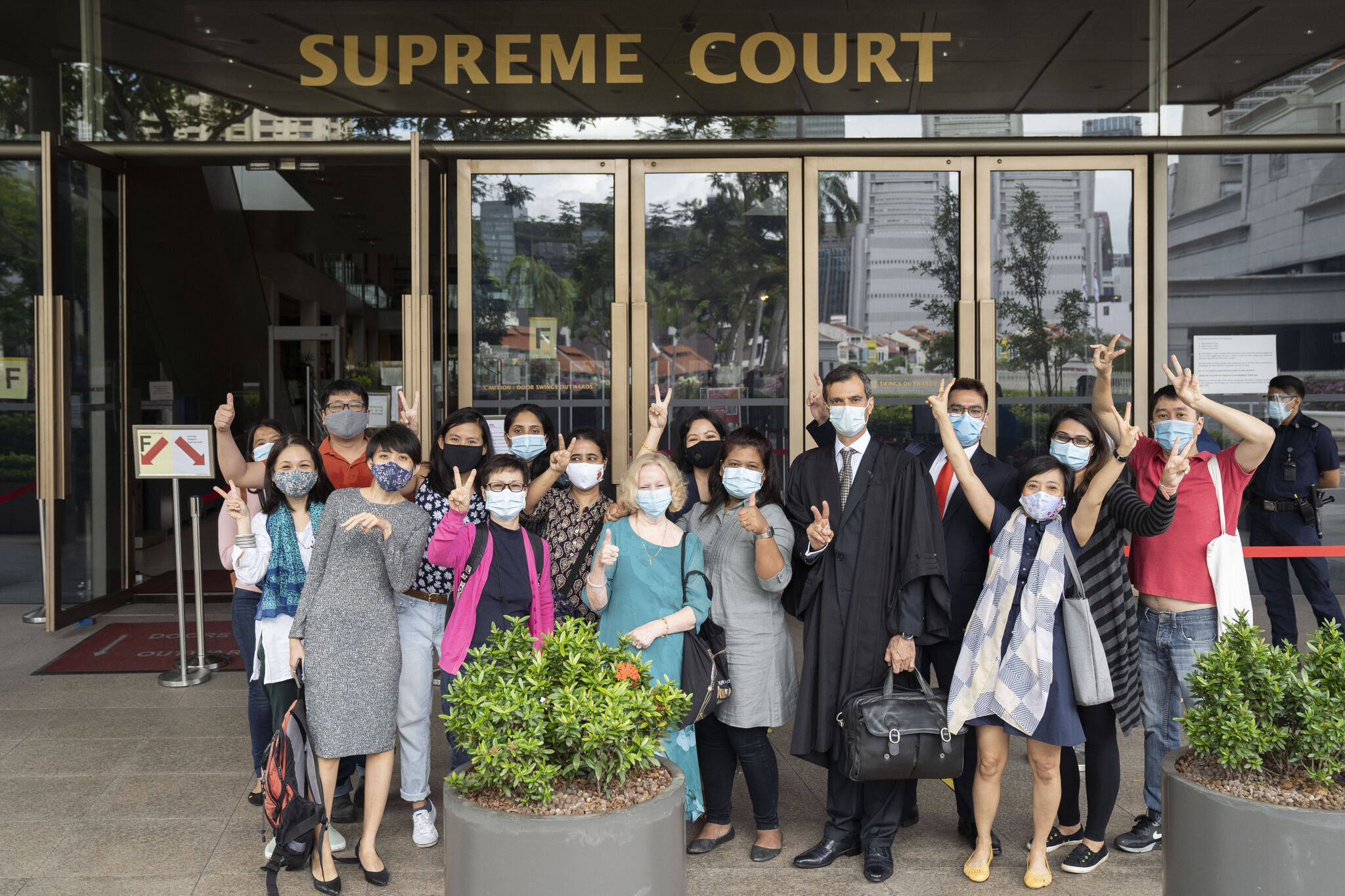 Photo: LinkedIn/stephaniecho[/caption]
During those years, Liyani was banned from working and had no income to support her family. She lived in limbo while a tangled web of contradictions, questionable valuations, and poor investigative procedures unfolded.
Justice delayed, but delivered
Justice Chan Seng Onn didn’t hold back in his 2020 High Court ruling. He cited:
- A broken chain of custody of evidence
- Mishandled items (like the DVD player)
- No proper interpreter during police interviews
- And a damning conclusion: The Liews had an “improper motive” to file a police report, preemptively silencing Liyani before she could expose their illegal deployment of her.
He also called out Karl Liew for being “unreliable” and for lying on the witness stand.
And yet, let’s not forget: Liyani was initially convicted in the State Courts and sentenced to 26 months in prison. And without public scrutiny and relentless advocacy, she might still be behind bars.
[caption id="attachment_693252" align="alignnone" width="752"]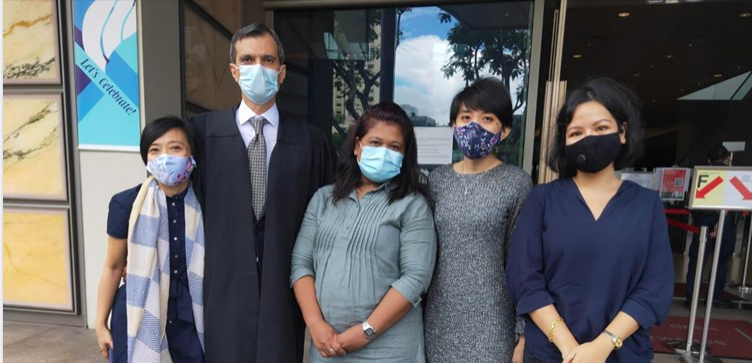 Photo: FB/HOME[/caption]
Five years later… what has changed?
“Many now celebrate the acquittal,” Chok wrote, “but it bears reminding that Parti was convicted… and sentenced.” She warns that theft accusations — sometimes unfounded — continue to be weaponised against migrant domestic workers. The system, it seems, still bends under the weight of social hierarchy.
Her parting thought was “Five years on, many questions remain unanswered, and key systemic failures [are] insufficiently addressed. HOME is working on a series to revisit Parti Liyani’s legal battle and explore the question: Was justice truly served?”
Voices of support
The LinkedIn comments were a chorus of solidarity:
“We should remember this important occasion and continue to press the deeper questions raised about access to justice,” wrote Leon Perera, former parliamentarian and current board member of HOME.
Newsletter
Get updates straight to your inbox
“Hopefully Parti’s case will set a precedent to deter unscrupulous employers,” said writer Ivan Thomasz.
“An important case study of how much extreme struggles the poor have to go through to get justice,” added labour activist Adrian Pereira.
Indeed, justice, at present, isn’t just about verdicts — it’s also about the journey, the cost, and who gets to afford it. Parti Liyani’s case is a mirror, reflecting uncomfortable truths about race, class, and whose voice gets heard in courtrooms and beyond.
So then, how can we ensure that justice is always truly served in such cases and all cases for that matter, now and in times to come?
[caption id="attachment_693257" align="alignnone" width="1920"] Photo: FB/𝐏𝐚𝐫𝐭𝐢 𝐋𝐢𝐲𝐚𝐧𝐢 @HOME[/caption]
Read Parti Liyani’s full story on HOME’s site here: "I never believed I was guilty": An Indonesian domestic worker's fight to clear her name
Read related: 'Maid acquitted forgives her ex-employer' — Netizen on Parti Liyani case calls for accountability from authorities