
NTU researchers explore cost-effective carbon capture in waste incineration
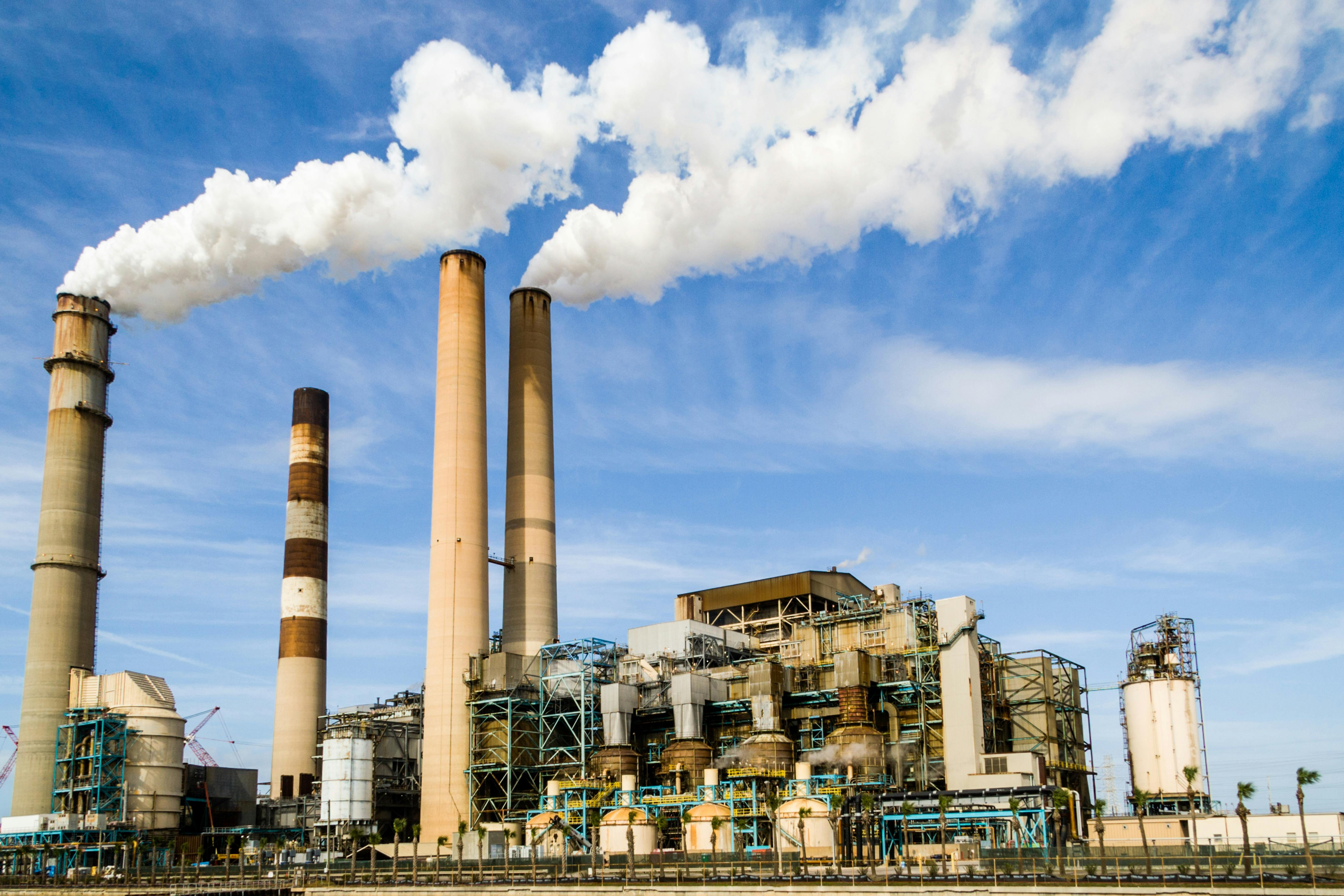
SINGAPORE: Incinerating solid waste remains an important strategy in waste management, significantly reducing the volume of non-recyclable waste while simultaneously generating energy.
However, a major drawback of waste incineration is the release of carbon dioxide, a greenhouse gas that contributes to climate change.
To address these emissions, researchers are exploring innovative solutions such as calcium looping, a chemical process that uses calcium oxide (quicklime) to capture carbon dioxide produced during incineration.
This method works through a reversible reaction: at around 650°C, calcium oxide reacts with carbon dioxide to form calcium carbonate. When heated to approximately 900°C, the carbon dioxide is released from the calcium carbonate, allowing it to be purified for industrial reuse.
Despite its promise, calcium looping is energy-intensive and costly, presenting challenges to its widespread adoption.
To assess its viability, a research team led by Associate Professor Grzegorz Lisak from Nanyang Technological University’s (NTU) School of Civil and Environmental Engineering developed a comprehensive model accounting for the numerous variables associated with the process.
The study revealed key strategies that could enhance the economic feasibility of calcium looping in incineration plants. Using waste-derived fuels for the high-temperature heating required in the process proved to be the most cost-effective approach.
Additionally, sourcing calcium from waste byproducts, such as incineration ash, can significantly lower operational costs.
The researchers also highlighted the role of carbon credits and emission-related taxation systems in making calcium looping a financially attractive option.
Policies that reward or incentivise negative carbon emissions could tip the balance, encouraging the adoption of the technology on a larger scale.
Newsletter
Get updates straight to your inbox