
Malaysians challenge Minister of Transport on carpool idea

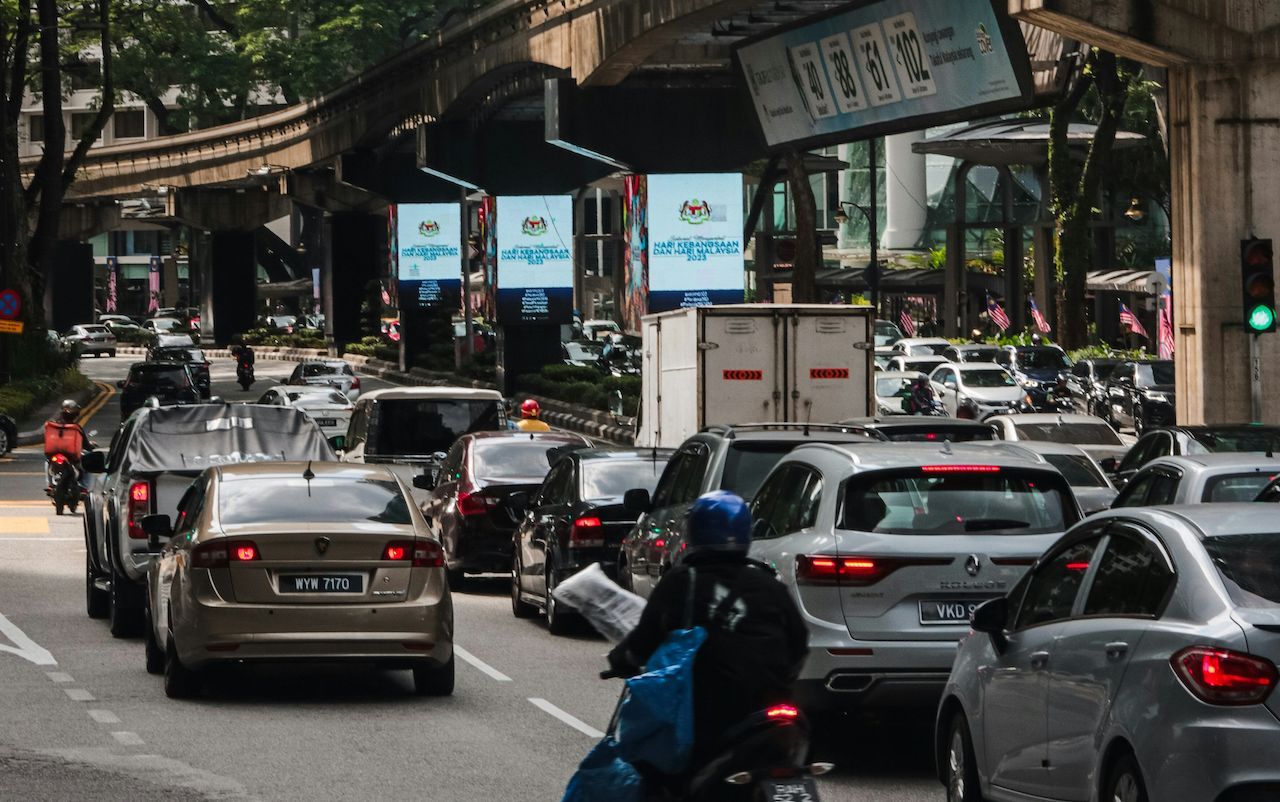
Kuala Lumpur during the rush hour period.
MALAYSIA: The Malaysian Minister of Transport, Anthony Loke, recently suggested that Malaysians should carpool with each other in order to save fuel. Currently, the Ministry is drafting flexible policies to allow e‑hailing firms to introduce ride‑sharing services, aiming to cut travel costs.
Minister Anthony Loke said proof‑of‑concept already exists. MOT also expects greater use of public transport and EVs amid the Middle East conflict, pledging to strengthen KTMB, ETS, and MRT nationwide.
However, netizens appear unconvinced by the idea. Just days ago, a local coffee brand promoted a government initiative offering affordable coffee to early commuters before rush hour. The campaign drew heavy criticism online, with some users sarcastically suggesting that ministers should forgo police escorts during peak traffic instead.
Netizens argue that Transport Minister Anthony Loke should extend his carpooling initiative to Malaysian ministers themselves. An X user noted that politicians also commute to ministries and parliamentary sessions, making it reasonable for them to carpool just as ordinary voters are encouraged to do.
Another suggested that the Ministry of Transport should reduce or even eliminate fuel allowances for government officials. The user added that ministers should ride public transport to experience firsthand the challenges faced by ordinary Malaysians during rush hour.
Following that, someone else argued that poor public transportation is a key reason vehicle ownership in Malaysia is at an all‑time high. For those living outside Kuala Lumpur who cannot afford a car, reliance on the Komuter train becomes unavoidable — yet users claim it is frequently delayed and unreliable.
Newsletter
Get updates straight to your inbox
Malaysian social media users remain highly critical of proposed fuel‑saving policies, arguing that reliable public amenities are lacking. Many question how Malaysia will navigate global instability while citizens face daily transport challenges. The debate underscores growing scepticism over whether current measures can truly ease the burden on ordinary commuters.